JournalDesign Trends
2026 Interior Design Trends: A Designer's Honest Take
A luxury interior designer shares the biggest 2026 design trends — from warm earth tones to curved furniture, textured walls, and the return of maximalism. What's worth investing in.
The Trends That Actually Matter in 2026
Every January, design publications release their annual trend predictions. Some are genuinely insightful. Many are recycled from last year with a fresh headline. As a working interior designer who sources products, specifies materials, and makes real decisions for real homes every day, I want to cut through the noise and share what I'm actually seeing, specifying, and recommending for my clients in 2026.
These aren't fleeting micro-trends that will look dated in six months. These are meaningful shifts in how we think about and design our living spaces—shifts that are worth investing in whether you're building a new home in Newton, renovating a brownstone in Boston, or refreshing a family room in Reading.
1. Warm Earth Tones Replace Cool Grays
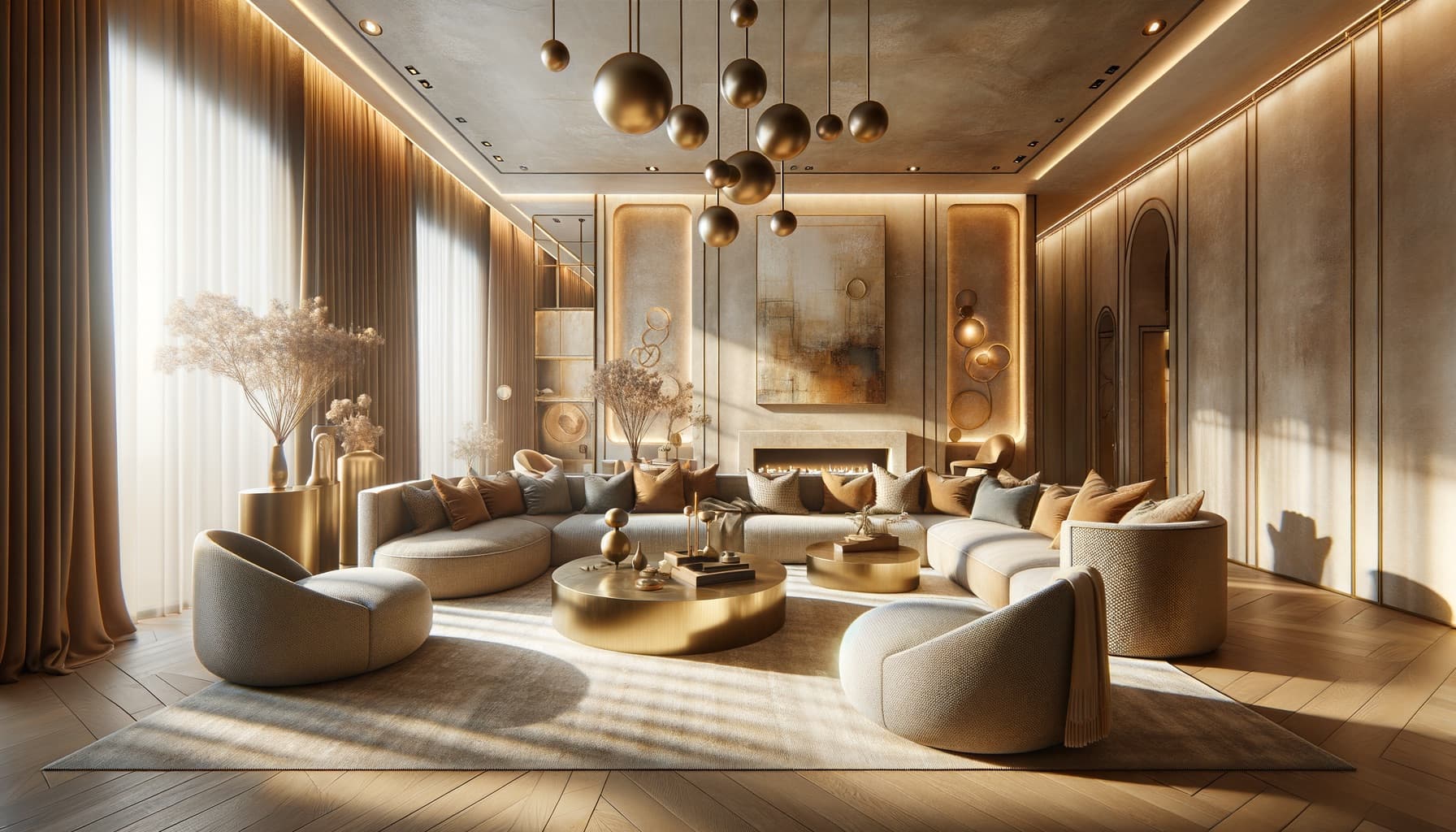
The reign of cool gray is officially over. After a decade of greige walls and icy blue-gray kitchens, homeowners are craving warmth. In 2026, the palette has shifted decisively toward:
- Warm whites and creams as the new neutral base
- Terracotta and clay tones for accent walls and accessories
- Rich chocolate browns returning in upholstery and millwork
- Olive and sage greens that bring natural warmth to kitchens and bathrooms
- Warm brass and unlacquered brass hardware replacing brushed nickel and chrome
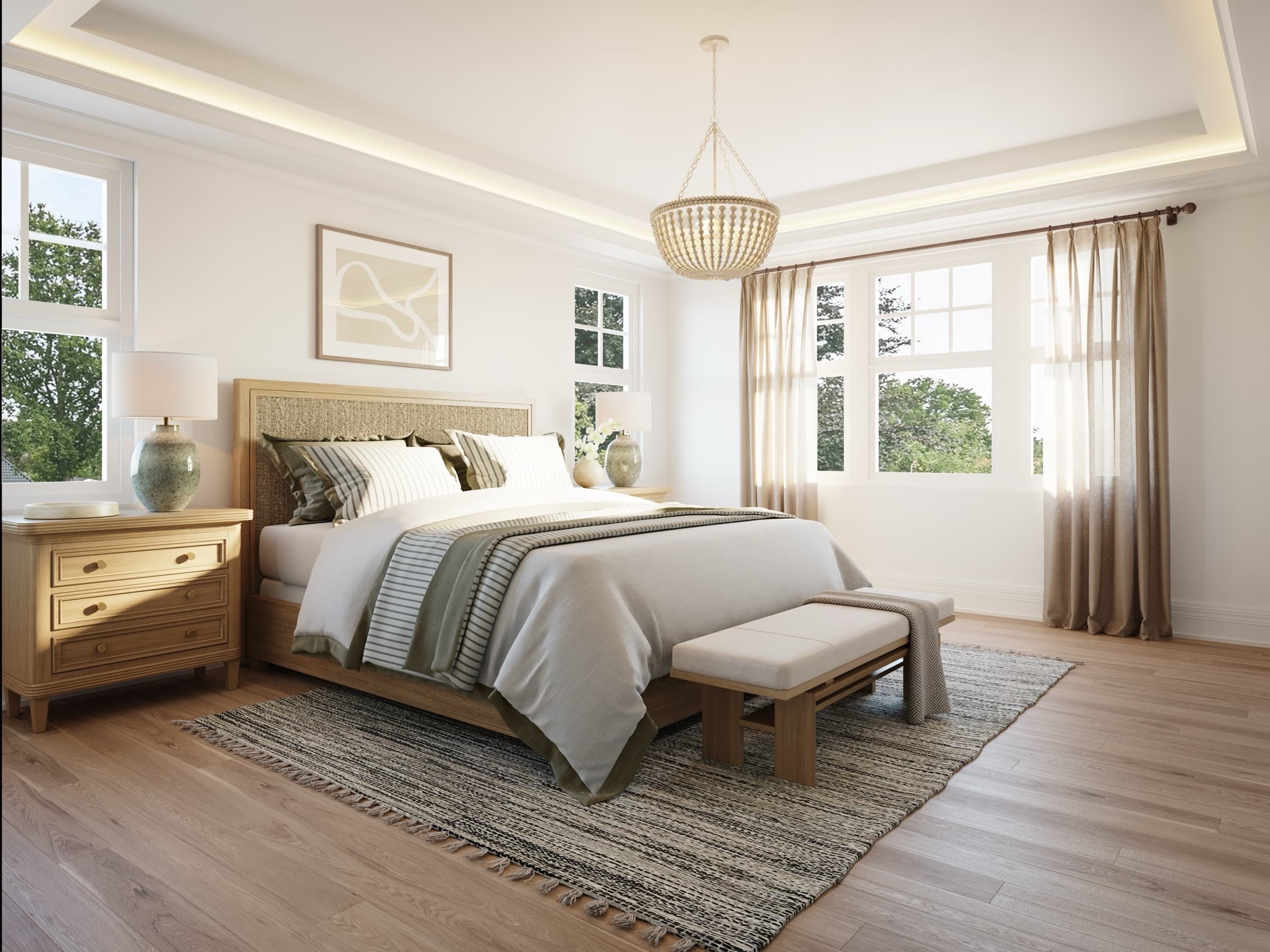
This isn't about making your home look like a desert adobe. It's about layering warm tones to create spaces that feel inviting and grounded. In our recent Newton single-family project, we used a palette of warm ivory walls, rich walnut millwork, and brass accents to create a home that feels simultaneously modern and timeless.
Investment level: High. Warm neutrals are not trend-dependent—they're a correction toward timeless design. If your home still has builder-grade gray walls and chrome fixtures, updating to warm tones is one of the most impactful changes you can make.
2. Curved and Organic Furniture Shapes
Straight lines and sharp angles defined the mid-2010s minimalist aesthetic. In 2026, furniture design has embraced curves, soft edges, and organic silhouettes:
- Rounded sofas and sectionals with gentle curves
- Arched doorways and mirrors adding architectural softness
- Kidney-shaped coffee tables and organically sculpted side tables
- Curved kitchen islands in high-end renovations
- Oval dining tables replacing sharp-cornered rectangles
Curved furniture does more than follow a trend—it improves traffic flow, creates more inviting conversation areas, and softens rooms dominated by architectural straight lines. For families with young children, rounded edges are also a practical safety choice.
Investment level: Medium. Curved pieces from quality manufacturers will remain stylish for many years, but the most extreme shapes (very sculptural, very asymmetric) may feel more trend-driven. Stick with gentle curves for longevity.
3. Textured Walls and Plaster Finishes
Flat, perfectly smooth drywall with a coat of eggshell paint? That's now the baseline—not the aspiration. The most compelling interiors in 2026 feature walls with texture and depth:
- Venetian plaster and lime wash creating subtle movement and depth
- Roman clay finishes with matte, tactile surfaces
- Stone and concrete accent walls in living spaces and primary bathrooms
- Vertical shiplap and board-and-batten in modern profiles (think thin, subtle, not farmhouse)
- Fabric-wrapped walls in bedrooms and studies for acoustic and visual warmth
Textured walls photograph beautifully, but their real impact is experiential. When you walk into a room with lime-washed walls, you feel the difference. The way light plays across the surface throughout the day creates a living, breathing quality that flat paint simply cannot achieve.
Investment level: High. Plaster and specialty finishes require skilled artisans, and the labor is what drives cost. Budget $15–$30 per square foot for professionally applied plaster finishes. It's an investment, but one that transforms a room instantly.
4. The Return of Pattern and Maximalism (Done Well)
After years of all-white-everything and militant minimalism, personality is returning to interior design. In 2026, we're seeing:
- Bold wallpaper in powder rooms, dining rooms, and bedrooms
- Mixed patterns—florals with stripes, geometrics with organic prints
- Colorful kitchens moving beyond all-white or all-gray cabinetry
- Collected, layered aesthetics rather than everything-from-one-store uniformity
- Statement ceilings with paint, wallpaper, or architectural detail
The key distinction: this isn't maximalism for its own sake. It's intentional layering. Every pattern, color, and object is curated to tell a cohesive story. A room can be richly layered and still feel calm and purposeful—that's the design skill that separates clutter from character.
Investment level: Low to medium. Wallpaper, paint, and accessories are among the most affordable ways to inject personality. Start with smaller spaces (powder rooms, mudrooms) to test your comfort level with pattern.
5. The Kitchen as Living Space
Kitchens in 2026 look less like commercial cooking studios and more like sophisticated living rooms that happen to have appliances:
- Furniture-style islands with legs, varied materials, and unique profiles
- Warm wood cabinetry (white oak, walnut) replacing all-white kitchens
- Open shelving with curated displays mixed with closed storage
- Integrated appliances that disappear behind cabinetry panels
- Natural stone in dramatic applications—full-height backsplashes, waterfall islands
For our new construction projects, the kitchen design conversation has fundamentally changed. Clients no longer want a kitchen that looks like a laboratory. They want a kitchen that feels as warm and personal as their living room, with the same attention to lighting, texture, and material quality.
Investment level: Very high. Kitchen renovations remain the largest home improvement investment. But within that budget, choosing warm woods over painted finishes, investing in natural stone, and integrating appliances are the decisions that will keep your kitchen feeling current for the next decade.
6. Wellness-Driven Design
The pandemic permanently changed how we think about home. In 2026, wellness isn't a trend—it's a design requirement:
- Dedicated wellness spaces—home gyms, meditation rooms, spa bathrooms
- Circadian lighting systems that shift color temperature throughout the day
- Biophilic design elements—living walls, natural materials, abundant plants
- Acoustic planning for quiet zones and focus areas
- Air quality considerations influencing material choices (low-VOC, natural finishes)
In the Wellesley and Brookline markets especially, we're seeing primary bathrooms designed as personal spas—with steam showers, heated floors, soaking tubs, and even aromatherapy systems built into the ventilation.
Investment level: Varies. Adding plants and upgrading to circadian-friendly lighting is affordable. A full spa bathroom or dedicated wellness room is a significant investment but adds tremendous value to luxury homes.
7. Sustainable and Locally Sourced Materials
Sustainability has moved from virtue signal to genuine design driver. In 2026, discerning clients want to know where their materials come from:
- Reclaimed and vintage pieces mixed with new furnishings
- Locally sourced natural stone and artisan-crafted materials
- Certified sustainable wood for flooring and millwork
- Natural fiber rugs and textiles—wool, linen, jute, cotton
- Heirloom-quality furniture designed to last generations, not seasons
This trend aligns perfectly with the overall shift toward warmer, more natural aesthetics. When you choose a hand-woven wool rug over a synthetic alternative, or a solid walnut dining table over a veneer, you're investing in both sustainability and beauty.
Investment level: Medium to high. Sustainable materials often cost more upfront but last significantly longer. The cost-per-year of a quality solid wood table is actually lower than replacing a cheaper alternative every few years.
8. Smart Home Integration (But Invisible)
Technology in the home is now about seamless integration, not showing off gadgets:
- Hidden speakers integrated into ceilings and walls
- Motorized window treatments operated by voice or app
- Smart lighting scenes controlled by a single panel, not a wall of switches
- Invisible charging stations built into countertops and nightstands
- Automated climate zones for personalized comfort room by room
The best smart home technology disappears into the architecture. Nobody should walk into your living room and see a tech showroom. They should feel perfectly comfortable without realizing that the lighting, temperature, and music all adjusted automatically when they arrived.
Investment level: Medium to high. Retrofitting smart home systems into existing homes is expensive. For new construction projects, building in the infrastructure from the start is dramatically more cost-effective.
What to Skip in 2026
Not every trend deserves your attention or budget. Here's what I'd recommend skipping:
- Ultra-trendy paint colors that will feel dated in 18 months—choose timeless over trendy
- Fully open floor plans—the pendulum has swung back toward defined rooms with purpose
- All-white kitchens—they're not wrong, but they're no longer aspirational
- Fast-furniture impulse buys—invest in fewer, better pieces instead
- Matching furniture sets—curated, collected rooms always feel more intentional
How to Apply These Trends in Your Home
The best approach to trends isn't wholesale adoption—it's selective integration. Start with the shifts that resonate with your personal style and layer them into your existing space:
- Start with paint and hardware. Swap cool grays for warm whites. Replace chrome pulls with unlacquered brass.
- Add texture. Introduce a textured throw, a woven rug, or consider a lime wash accent wall.
- Invest in one statement piece. A curved sofa, a vintage sideboard, or a piece of original art can anchor an entire room.
- Edit ruthlessly. The collected, layered look only works when every piece earns its place.
If you're planning a larger project—a renovation, new construction, or whole-home design—these trends provide excellent direction for material and finish selections that will feel fresh for years to come.
Want Help Bringing These Trends Home?
At Jessie K Homes, we help homeowners across Greater Boston create spaces that feel both current and timeless. Whether you're refreshing a single room or designing your dream home from the ground up, we'd love to help you navigate these trends and find the ones that truly fit your lifestyle.
Schedule a free consultation to discuss your project, or explore our portfolio to see how we've brought these design principles to life in real homes across Boston, Newton, Cambridge, and beyond.
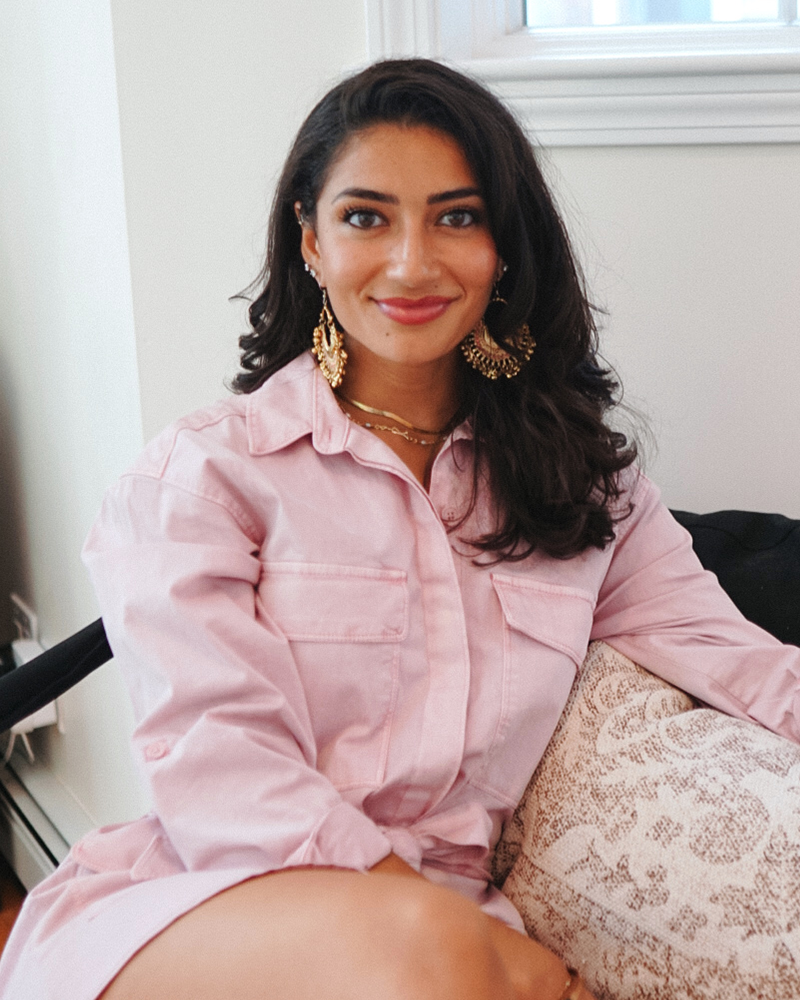
CEO & Principal Designer
With a passion for innovative, practical design and years of real estate experience, Jessica brings a unique perspective to every project, balancing aesthetic appeal with marketable value.
Subscribe to our newsletter
Stay up to date with design trends and updates
Thanks for joining our newsletter
Oops! Something went wrong while submitting the form.
Latest posts
 \
\
The New Construction Design Selections Checklist \
\
Renovation & New Construction\
\
8\
\
min\
\
Read more
\
\
The New Construction Design Selections Checklist \
\
Renovation & New Construction\
\
8\
\
min\
\
Read more \
\
How to Shop Like an Interior Designer Using the LTK App \
\
LTK & Product Picks\
\
5\
\
min\
\
Read more
\
\
How to Shop Like an Interior Designer Using the LTK App \
\
LTK & Product Picks\
\
5\
\
min\
\
Read more\ \ Explore our collection of 200+ Premium Webflow Templates \ \ Need to customize this template? Hire our Webflow team!
Written by Jessica Sebastian
Work with us